Skincare packaging can say a great deal without explaining very much. Natural. Organic. Responsibly made. Each sounds reassuring, but the useful question is what supports the claim.
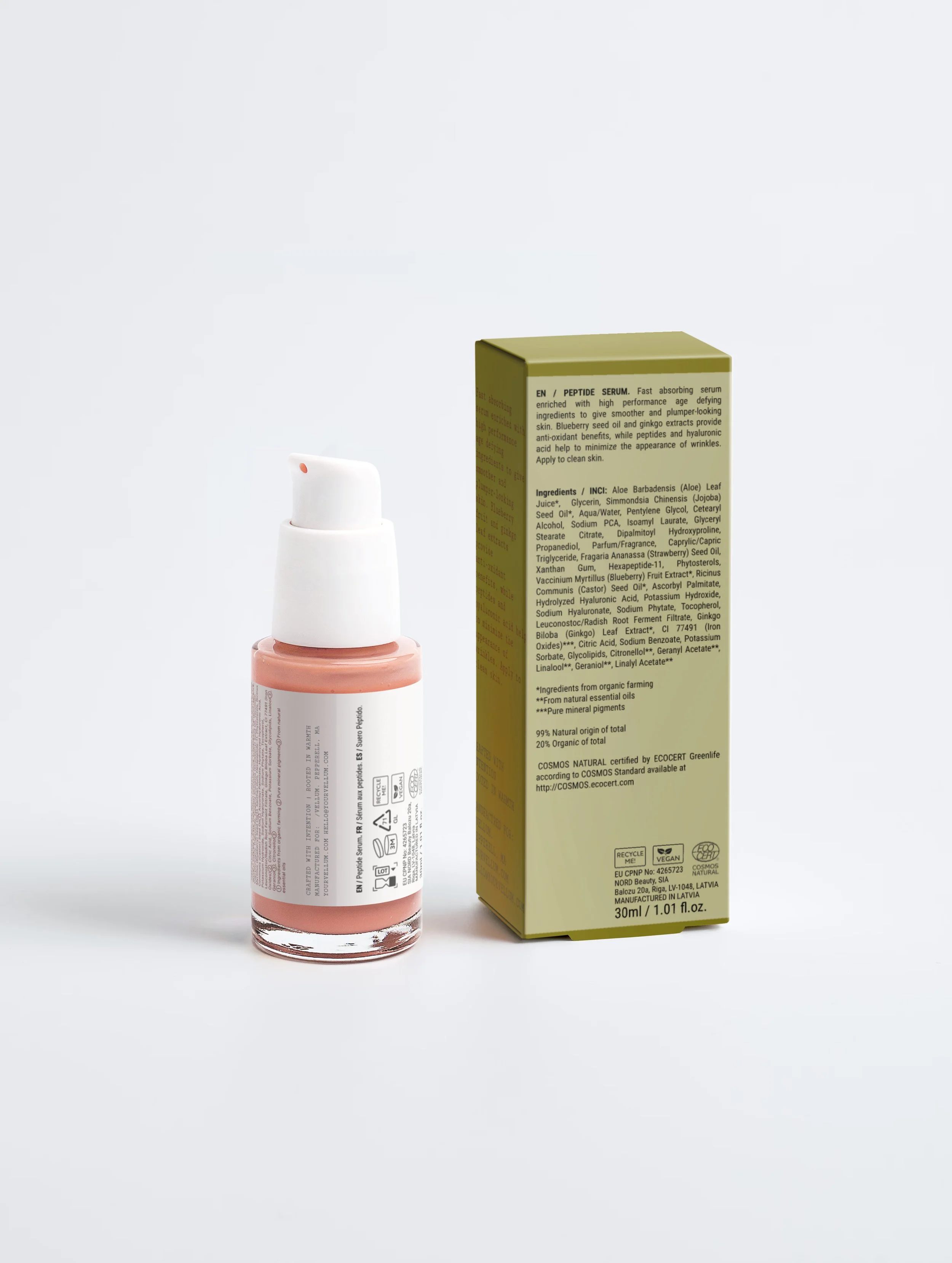
ECOCERT brings independent verification into that conversation. Rather than relying on a brand’s description alone, certification checks whether a product meets the requirements of a defined standard. For skincare, those requirements can reach beyond the ingredients to include how a formula is produced, packaged, and labeled.
What is ECOCERT?
ECOCERT is an independent certification body. Its role is to assess whether products, services, or systems meet specific environmental and social requirements—and issue certification when those requirements are satisfied.
In natural and organic skincare, ECOCERT is one of the organizations that certifies products against the international COSMOS standard.
The distinction is simple: COSMOS sets the rules. ECOCERT checks whether those rules have been met.
What does certification look at?
A skincare product is more than its ingredient list. The way those ingredients are processed, the manufacturing practices behind the formula, and the packaging around it all form part of the picture.
For COSMOS certification, the review covers areas including:
Ingredients and the finished formula.
Production and processing methods.
Packaging and labeling.
Waste management and other production requirements.
That broader view is what makes certification meaningful. It connects a claim on the outside of the bottle with documented requirements behind it.
ECOCERT and COSMOS: understanding the label
When exploring certified skincare, you may see the terms COSMOS NATURAL and COSMOS ORGANIC alongside the ECOCERT name.
They are related, but they do not mean the same thing.
COSMOS NATURAL
COSMOS NATURAL identifies products that meet the standard’s requirements for natural cosmetics. It does not require the same minimum organic content as COSMOS ORGANIC.
The standard also allows a limited list of approved ingredients that are not of natural origin, including certain preservatives. “Certified natural” does not mean that a formula is unpreserved or made only from unprocessed plants.
COSMOS ORGANIC
COSMOS ORGANIC adds requirements for organic content to the wider formulation and production criteria.
It is not another way of saying “contains a botanical ingredient.” The finished product must meet the applicable organic certification requirements, rather than simply include one organically grown ingredient.
Reading the exact designation matters. Natural certification and organic certification communicate different things.
Why is ECOCERT important?
It gives claims something measurable to stand on
A brand can describe its philosophy. Independent certification asks a different question: does the product meet a published set of requirements?
ECOCERT’s process involves an independent assessment of conformity with a standard. That makes certification a more specific signal than an unsupported description such as “green” or “eco-conscious.”
It looks beyond a single standout ingredient
A plant extract may be the focus of a product’s story, but certification considers more than that one ingredient. The formula, production, packaging, and labeling must also meet the relevant requirements.
For the person choosing the product, this offers a fuller picture of what sits behind its natural or organic positioning.
It helps make label reading more informed
Understanding who certifies a product—and which standard it meets—makes it easier to distinguish an independently assessed claim from general marketing language.
ECOCERT is the certifier. COSMOS NATURAL or COSMOS ORGANIC identifies the type of cosmetic certification. Knowing the difference gives those words a clearer meaning.ecocert+1
A certified ingredient is not the same as a certified product
This is an important distinction when reading product descriptions.
A formula may contain a certified organic ingredient without the finished skincare product being certified. Finished-product certification requires assessment of the product against the relevant standard, including requirements beyond that individual ingredient.ecocert+1
Look for wording that clearly identifies what has been certified: the raw material, a particular ingredient, or the finished product.
Precision matters more than a reassuring phrase.
What certification does—and does not—tell you
ECOCERT certification provides evidence that the certified product meets the requirements of the named standard. Its meaning should stay within that scope.
A natural or organic certification should not be read as a promise of specific skincare results, or as a substitute for every other claim a shopper might care about. It answers a particular question about standards—not every question about a product.
The most useful approach is to read the certification alongside the rest of the product information, rather than asking one label to tell the entire story.
A more considered way to read skincare labels
ECOCERT matters because it moves the conversation from a brand’s promise to an independently assessed standard. In natural and organic skincare, that adds a useful layer of accountability.ecocert+1
You do not need to memorize every certification rule. Start with three questions:
What exactly has been certified?
Which standard does it meet?
Does the wording refer to the finished product or only an ingredient?
A more informed routine begins with understanding what the label is actually saying.
Explore Our Standards for more on /VELLUM.’s approach to skincare.